Agenda
The agenda is still being rolled out and is subject to change. Please check back for the most recent updates.
How Do Misinformation and Environmental Assessments Impact Energy Transitions from a Civic Engagement Perspective?



The forum, centered on "How Misinformation and Environmental Assessment Impact Energy Transition," will explore how energy policies are influenced by the information environment and institutional design during their implementation. It will also examine how these factors affect Taiwan's energy security and social resilience. The session will focus on:
- The communication challenges in energy policy planning and environmental assessment.
- The impact of misinformation on energy-related issues.
This forum will combine fact-checking, research observations, and frontline experiences in environmental advocacy to analyze how misinformation related to energy and environmental assessments is created, interpreted, and spread. Additionally, it will delve into the role that civic groups play in this context.
When Politics Enters the Home: Exploring Possibilities and Practices in Family Communication
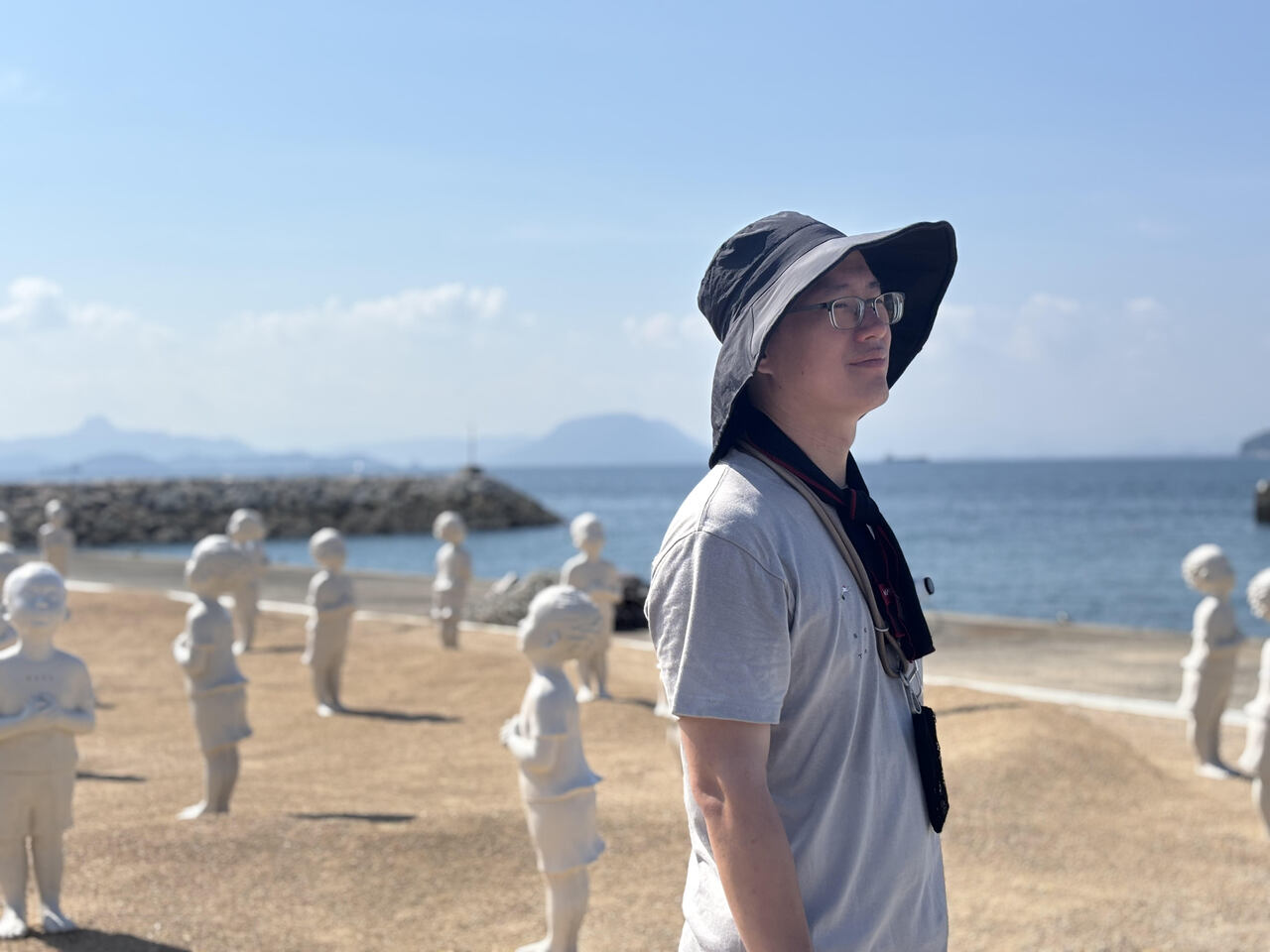
When discussing civic issues, the focus should be on being mindful of the emotions of those you're communicating with; the density of the argument is secondary. Practice political conversations with parents, elders, or partners using role-playing games to improve listening, persuasion, de-escalation, and boundary setting skills.
A Guide to Promoting and Starting Projects for the Taiwan Civic Tech Project Database
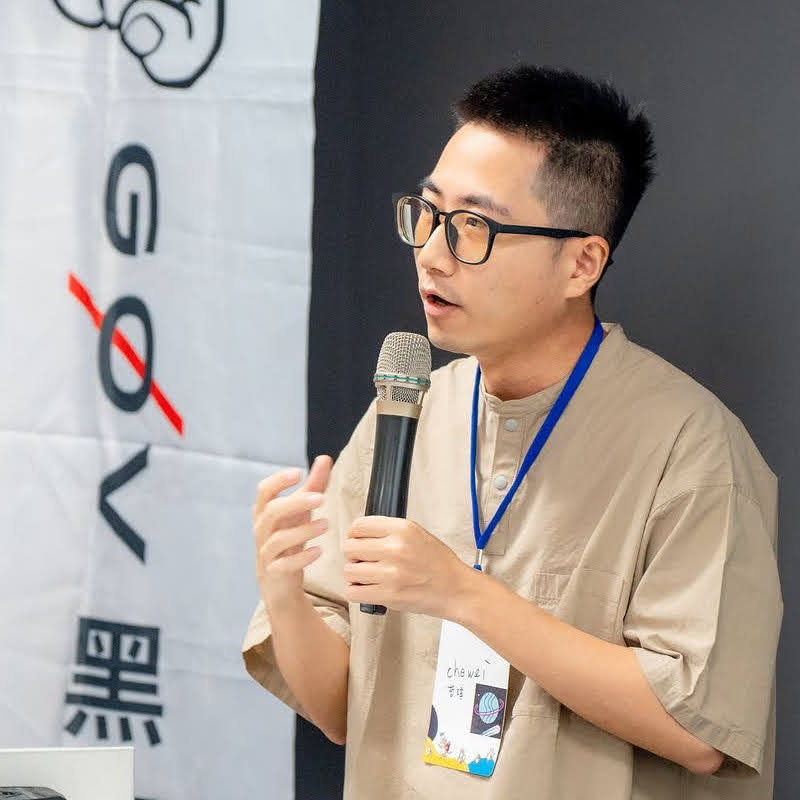
Taiwan Civic Tech Project Database Promotion and Workshop Guide
1. Data Webpage: Discover Existing Projects and Plans
The team continues to integrate project lists from the g0v community, citizen science initiatives, and various domestic civic tech projects. They have organized a list of Taiwan's civic tech projects by referencing the data labeling structure from the Civic Tech Field Guide's international project database. In this workshop, participants will be invited to provide feedback on the current data labeling structure, navigate the query webpage, and share their thoughts on the page's usability.
2. Project Guide: Supporting Project Initiation
Since 2020, the team has been hosting "Project Owner Gatherings" to collect insights on project initiation experiences, which are then compiled into the "g0v Civic Tech Project and Community Handbook." Chapter 3, "Initiating a Project," details how to start a project. They have categorized projects from the g0v School's incubation program and recommended digital strategies and tools for civic tech projects that incorporate civic rights. This workshop will have participants review the guide's current stages and attempt to initiate a project to help improve the guide's usability.
3. Operational Strategy: Issue Inventory and Discussion
Participants will be invited to discuss known issues:
- The database website content is currently compiled through ongoing volunteer efforts. A strategy for long-term operation requires manpower and resources.
- Some users may expect projects to address current issues, but existing projects may not fully meet individual needs.
- Strategies for promotion and outreach.
- Other topics as suggested by participants.
Can Web3 Truly Implement Decentralized Autonomy? Successes and Failures of a Four-Year DAO Experiment





When we talk about web3, many people immediately think of the complex world of blockchain and the speculative nature of cryptocurrencies, as if these are just buzzwords meant to grab attention. However, both internationally and locally in Taiwan, there are numerous examples of communities experimenting with web3 tools, especially in the realm of digital governance.
FAB DAO, a nonprofit decentralized autonomous organization in Taiwan, plans to draw from the work experiences of various action groups over a four-year period to share our experiences in advancing web3. This includes decentralized publishing, reputation records, community consensus, grant programs, international collaboration, and financial flow management.
We aim to openly share our successful, unsuccessful, and debatable experiences, turning them into fertile ground for community autonomy.
Zero-Base Mobilization and Information Resilience: Examining Civic Collaboration and Exit Strategies via the Guangfu Township Disaster Relief Information Map
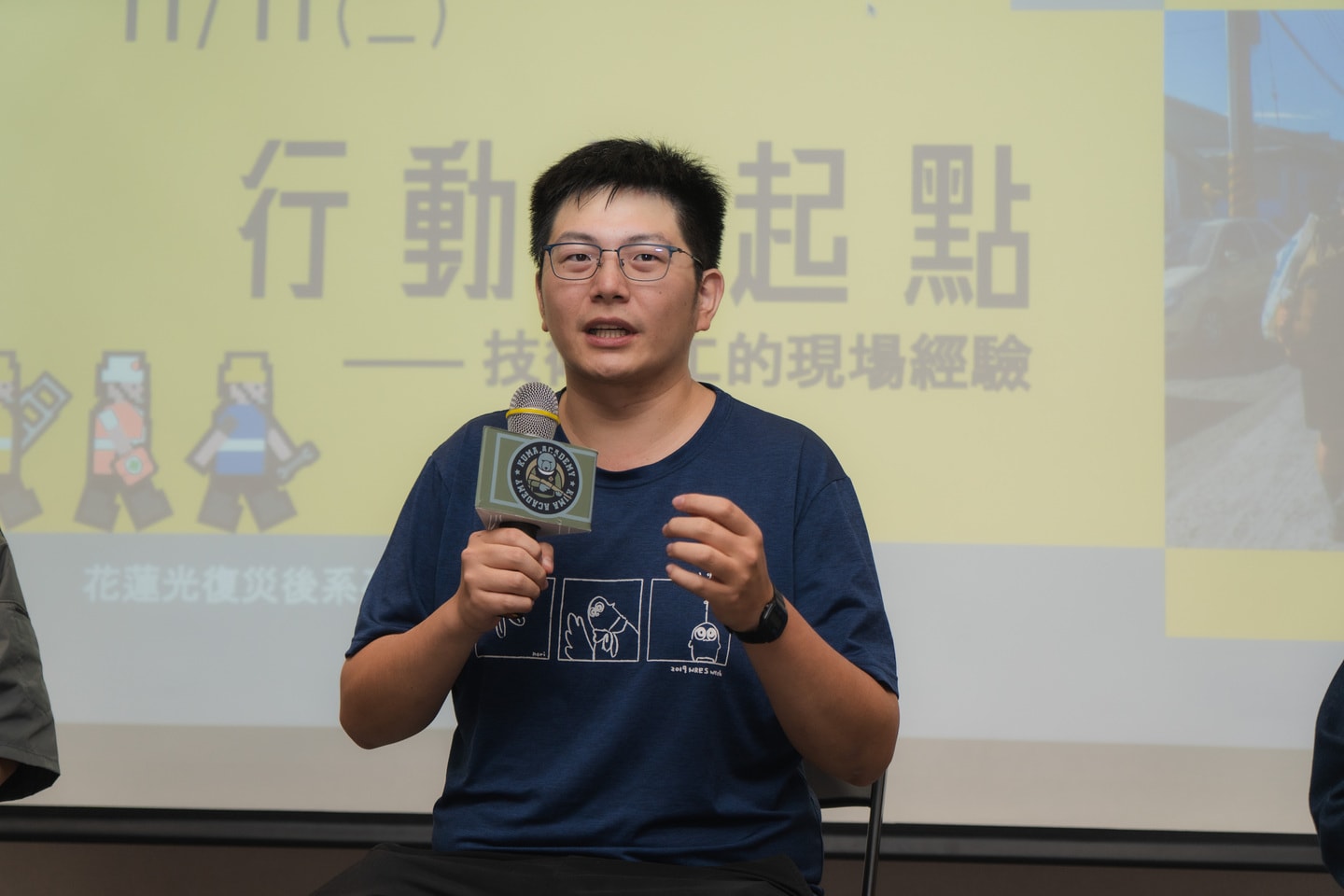
When faced with large-scale disasters and a failing government, how can civic communities, lacking resources and official direction, utilize available tools to create an effective information network? Our team will share the real-world experiences of the "Restoration Township Disaster Relief Information Integration" map team. We are a group of citizens without formal information technology training, mobilized from scratch after the disaster as an informal organization.
Unlike common automated reporting systems, we emphasize a "low technical barrier" and "high empathy," opting for Google Maps and manually verifying information. We simulate extreme conditions faced by frontline volunteers, such as "wearing gloves with only 10 seconds of attention," to transform complex information into intuitive color blocks and icons.
In this presentation, we will discuss how the team conducted three agile iterations targeting different audiences within ten days, adapting to the changing disaster situation—from assisting affected residents to coordinating heavy machinery. Finally, we will address a lesser-discussed topic in civic technology: the "exit strategy." Our goal is to "eliminate our own existence" by actively announcing "graduation" once the disaster relief efforts conclude, returning traffic and influence to local organizations, and helping the disaster-stricken area shed its label and return to normalcy. This is a civic engagement initiative that aids disaster recovery with compassion and accessibility.
From Whistleblowing to Cleanup: A Public-Private Collaborative Ecosystem for a Pollution Case

In 2014, scholars noticed something unusual along the coast of Xinfeng, Hsinchu. By 2017, environmental groups had exposed it as the "most toxic coastline." By 2020, the pollutants had been cleaned up, and restoration efforts began. This decade-long environmental campaign is a rare example of successful collaboration among researchers, civic organizations, local representatives, legislators, the government, and businesses.
But how did this collaborative effort come about? As active participants, the Environmental Action Group of Tainan Community University conducted interviews with all key players to reconstruct the complete course of action: how citizens identified and confirmed the pollution, how local forces mobilized pressure, how central authorities navigated political challenges, and why businesses agreed to take on the cleanup.
This presentation will dissect the public-private collaboration ecosystem of the Xinfeng case, sharing actionable methods that can be replicated: how to detect anomalies, construct chains of evidence, and foster cross-sector connections to ensure real solutions to problems.
Attack on the RPZ Website Blockade: “Due Process Designers” Wanted!
In December 2025, Taiwan experienced three significant events concerning internet freedom: the nationwide ban of Xiaohongshu for one year, and the Executive Yuan's approval of amendments to the National Security Act and the Social Order Maintenance Act. These amendments grant the government the authority to directly halt or restrict access to websites (referred to as RPZ) to address online content in emergencies.
This highlights Taiwan's lack of comprehensive platform responsibility regulations, leading to a legislative approach that blocks entire platforms under the guise of content management. Consequently, RPZ has shifted from being a last-resort enforcement tool to a frontline mechanism for handling (potentially illegal) content.
This workshop invites participants to co-create solutions on two levels:
- How should we view the trend of this legislative approach becoming mainstream? What would be a better governance direction?
- If blocking is inevitable, how can we fill the current procedural void to ensure due process? Let’s design solutions together!
Roll up your sleeves and join us in strengthening procedural justice in internet governance!
-
Is Crowdsourcing a “Power Star” in Disaster Areas?

The recent flood disaster has highlighted the deep-seated contradictions in Taiwan's current disaster prevention system. The rapid changes brought by disasters clash with the bureaucracy's need for accountability, leading to a structural dysfunction in the administrative system. Constrained by regulations, personal data protection, and auditing processes, the government often appears passive and inflexible during crises. However, this dysfunction creates an opportunity for civic society to step in and fill the gap.
This talk will explore, through real-world examples from the flood-stricken areas, how digital tools can assist in disaster relief. Volunteers have effectively used various digital tools to overcome legal barriers and information gaps that the public sector cannot address. This resilience and adaptability of civic engagement are not meant to replace the government but to navigate flexibly within the system's gaps.
The key insight is that possessing information does not equate to having order. The success of digital collaboration lies not in the tools themselves but in the integration and translation of "nodes." In the future, disasters should be viewed as opportunities for social reorganization and regeneration. We must consider how to use "governance empowerment" to transform the dispersed power of the crowd into organized public services, establishing a "three-dimensional disaster relief system" where government resources and civic digital efforts coexist, ensuring that goodwill reaches its destination accurately and orderly.
How Citizens Govern Platforms: Self-Disclosure Regarding Platform Content Moderation and Freedom of Speech

In today's world, mainstream social media platforms rely on algorithms to function effectively. These algorithms help filter out spam or illegal content and assist users in discovering content that interests them. However, excessive use of algorithms and content moderation poses a significant threat to freedom of speech.
Where do we draw the line between censorship and freedom? Who gets to decide?
It's unlikely that mainstream social media platforms will publicly disclose their algorithms. Revealing proprietary methods could significantly increase the risk of misuse by malicious users. For example, in 2025, Facebook modified its usage policy, resulting in numerous accounts being deleted for unknown reasons, leaving users without any recourse. This serves as a classic case of ineffective platform governance.
This situation highlights that "algorithm transparency" must precede effective "platform governance." Without adequate information, citizens cannot govern platforms.
Matters, as the largest Chinese-language platform resisting censorship, has been working toward "open source" and "user governance." We are now unveiling the final piece of the puzzle—opening up our "censorship algorithms" and cases of controversial content. This initiative lays the groundwork for future "platform governance" that the Taiwanese civic community will face.
In this workshop, we will first share an easy-to-understand history of censorship evolution on the Matters platform with participants. Then, we will engage in discussions about the boundaries between censorship and freedom, focusing on specific policies and subsequent actions. All outcomes from this workshop will be open-sourced.
The Journey of “Guangfu Superheroes”: Why Every Disaster Relief Effort Feels Like the First Time

Through numerous disaster experiences and firsthand interviews, I've come to realize that the most challenging aspect of disaster relief is often not a lack of technology or manpower, but the inability to pass on experience. Public officials rotate, roles change, and disasters are infrequent yet highly improvisational events, making critical decisions reliant on personal memory and on-the-spot reactions. When people leave the scene, their experience leaves with them, and the next disaster response often feels like starting from scratch.
In this discussion, I'll draw from the practical experiences of the "Guangfu Superheroes" and interviews with a few individuals who have been on the front lines of disaster assistance. We'll explore recurring but often overlooked moments of breakdown during disaster relief, such as incomplete information handovers, unclear role responsibilities, and the ineffective retention of post-disaster experiences.
I'm not aiming to offer a complete solution, but rather to engage in a dialogue from a design and systems thinking perspective. How can we acknowledge that "people move on, systems forget," and explore whether technology can capture experiences that currently reside only in individual minds? How should we design systems to ensure they remain helpful to those who take over amidst chaos?
Community Connections Across Borders, Political Participation, and Unconventional Diplomatic Practices

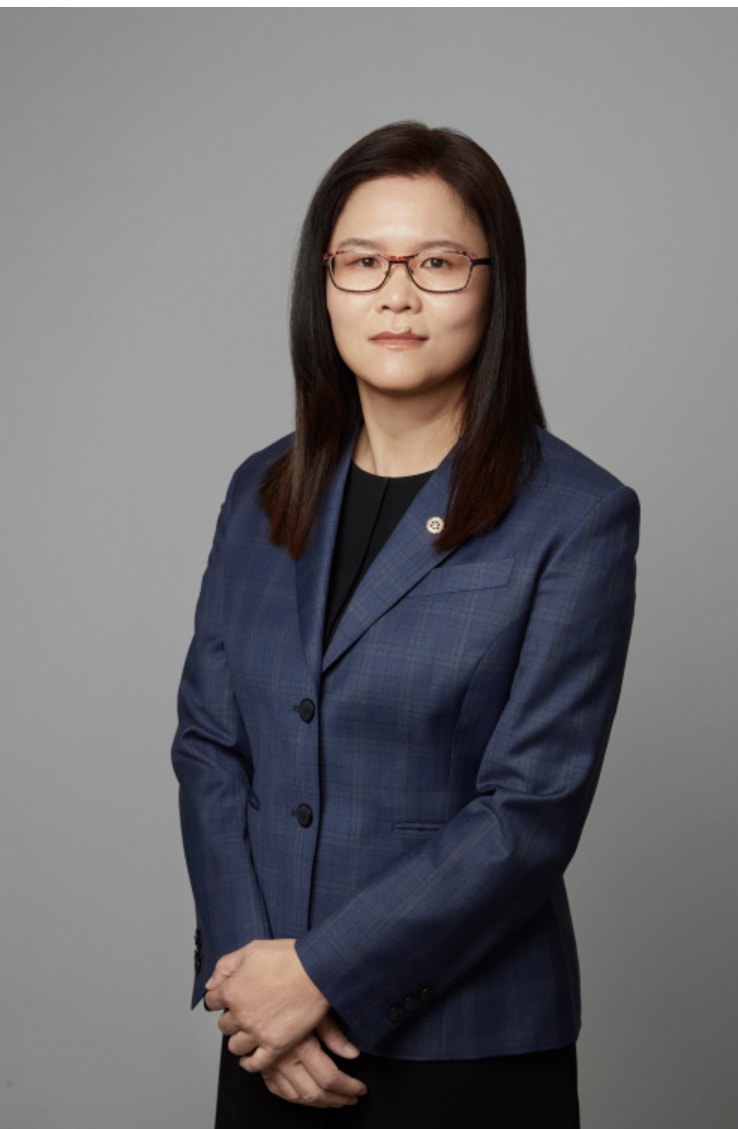
This presentation will focus on how Taiwanese individuals in Europe and the UK continue to promote sovereignty initiatives and democratic values within public spaces. Through an in-depth conversation between Sandy Hsueh, the current president of the European Taiwan Association, and Hui-Yu "Amei" Tsai, a UK Overseas Community Affairs Council member, we will explore how overseas Taiwanese communities establish organizations and engage with local political and social contexts. Drawing on their extensive practical experience in Europe, the speakers will discuss the challenges faced by international advocacy efforts and share strategies for ensuring Taiwan's voice is heard and understood in global politics.
The discussion will delve into the strategic differences and commonalities between these two advocates: Sandy will discuss how she leverages cultural initiatives and public communication to navigate and connect with the local political networks in non-English-speaking European countries like France and Germany, and how she links overseas Taiwanese communities. On the other hand, Amei will illustrate how she integrates business acumen into diverse diplomatic practices, from organizing cheerleading squads at sports events to multinational refugee assistance, embedding political issues within compassionate humanitarian efforts. This event provides firsthand insights into how global Taiwanese citizens collaboratively build resilient transnational networks.
How Does a Bottom-Up AI Ecosystem Take Shape?
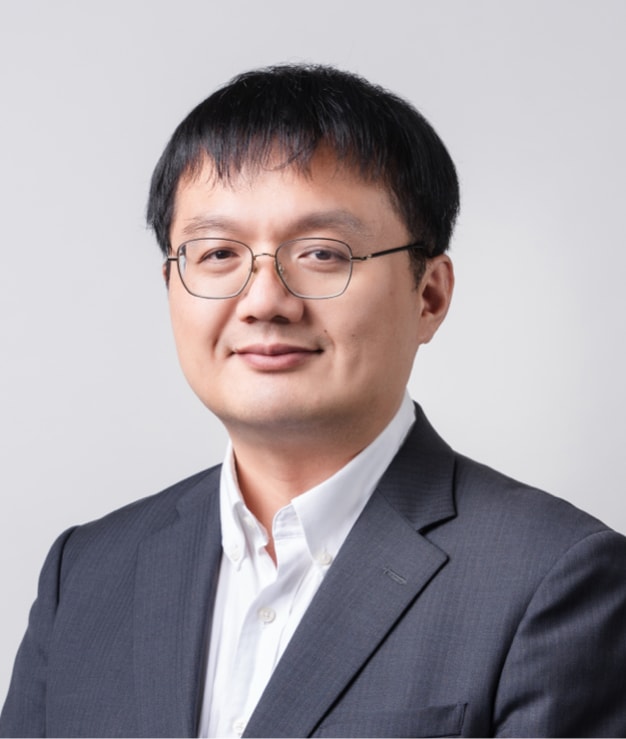




As AI rapidly becomes integrated into work, learning, and public governance, the real issue is no longer just about "whether to implement AI," but rather who can understand it, who can participate in shaping its usage, and who can influence its societal impact.
This panel discussion will feature the Digital Industry Agency of the Ministry of Digital Affairs, the largest social investor network in Asia (AVPN), Taiwan AI Academy, One-Forty, Tainan University, and the g0v Civic Tech Community. They will explore, from a "bottom-up, cross-sector collaboration" perspective, how AI empowerment can create an inclusive, sustainable ecosystem that supports the development of a democratic society.
The discussion will be divided into three major stages: First, it will explore "Ecosystem Activation," sharing the current state of AI empowerment in Asia and Taiwan, and how government and civil society can collaborate to co-create the AI ecosystem. Next, it will shift to "Defining Needs and Solutions," diving into the needs and pathways for AI literacy that mainstream systems have overlooked, focusing on migrant workers, universities, and civic tech communities. Finally, industry, government, and academia will engage in dialogue, sharing practical insights and cross-sector recommendations to collaboratively construct a complementary strategy that ensures technological transformation aligns with the resilience of democratic societies.
Information Platform for Civil Force Training: Transitioning from Peacetime to Wartime
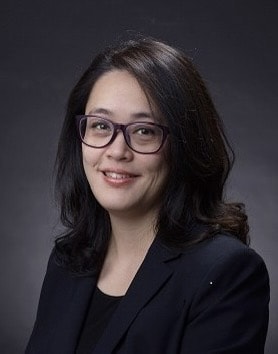
The community spirit demonstrated by the volunteers in Mataian shows the incredible power of civic engagement. However, effectively harnessing this power requires the organization of information, including understanding both the "demand" and "supply" aspects of civic efforts, and coordinating them in terms of quantity, quality, location, and timing. Currently, the Disaster Coordination Center lacks the capability for cross-regional resource allocation, which is an issue related to information systems. There are already several civilian platforms in place, such as the Disaster Response and Reporting Management System developed by the Taiwan Alliance for Disaster Relief in collaboration with Microsoft Taiwan, Tzu Chi's system, and tools like Google My Maps for sharing disaster area information. These systems cater to disaster relief needs during peacetime. However, if a transition from peacetime to wartime occurs, what will happen to these information platforms? How can civilian and governmental systems complement each other in such scenarios?
Protecting Freedom of Speech Online: What are We Still Missing? Discussing the Lack of Check-and-Balance Mechanisms Under Increasingly Strict Platform Regulations

In 2022, the draft amendment to the "Intermediary Act" nearly succeeded but ultimately fell short. At that time, the authorities attempted to establish a comprehensive set of regulations to address platform responsibilities, clarify government authority boundaries, and protect users' freedom of speech. However, the public expressed opposition and chose a different path: having multiple regulatory bodies legislate and control the internet and speech within their respective domains.
Today, at least 20 laws or directives include provisions for internet management or prevention, with more amendments underway. As various regulatory bodies assert control over the internet, websites face penalties or restrictions daily, platforms implement automatic speech censorship mechanisms, user-generated content is removed, and content is routinely flagged or restricted.
In this roundtable discussion, we want to brainstorm and explore: In this increasingly regulated and secure internet, who should protect freedom of speech, and how should it be done? What is missing from Taiwan's current governance framework?
OpenRefine for All: The Powerful Tools of Cleaning Data and Maintaining Wikidata


OpenRefine is a data cleaning tools for everyone who is not programming background. Its Wikidata and Wiki commons extension, are suitable for editing and updating structural data.
This workshop will focus on fundamental operation, handling open datasets released by Taiwan government, for example, parks upload to Wikidata, and handling already imported hotels from booking websites, which lack Mandarin labels and descriptions.
How Civic Tech Engages with Local Governance


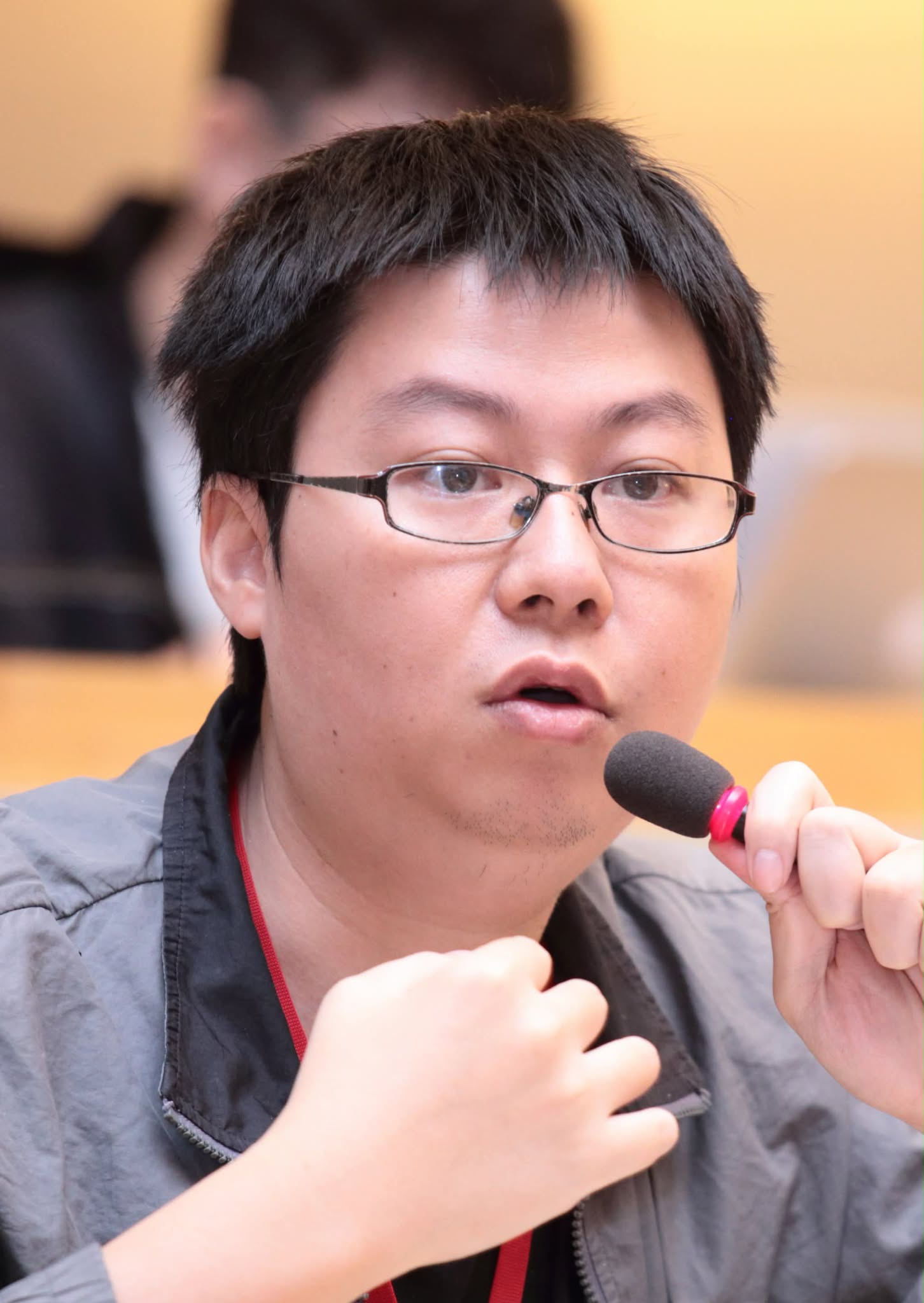
In the past, the application of civic technology was often imagined in the realm of central government. However, can local governments and community organizations also use civic technology to practice the principles of open government—particularly in terms of openness, transparency, and accountability? In this session, Tainan New Sprout board members Zhe-Wei Lin, Zhan-Wei Wu, and Wan-Ling Yan will explain to participants the applications they have implemented in city governance oversight and collaboration over the past ten years, the outcomes achieved, and the opportunities and challenges faced by local civic technology applications. Additionally, Mei-Jun Li, an assistant researcher at the Institute of Ethnology, Academia Sinica, will provide observations from the perspective of a civic technology community researcher.
Public Communication in a Divided Era

In recent years, many people have grown discouraged by the challenge of “breaking out of echo chambers” and “communicating across differences,” with some even losing hope. In this session, Kexin from the Observatory will share and discuss how the role and responsibilities of independent media are changing in today’s divided era.
Taiwan’s Defense Technology Supply Chain

This session will feature Cathy, a DSET policy analyst and member of the Observatory, in a live podcast format. She will discuss strategic cooperation among Taiwan, the United States, and Europe on “non-red supply chains,” and explore how Taiwan can build independent and trusted global defense technology amid rising national security concerns and the AI wave.
The passage of the Development of National Languages Act marked a historic milestone for Taiwanse languages. In 2019, native languages—including indigenous languages, Taiwanese Hokkien, Taiwanese Hakka, and Taiwan Sign Language—are officially codified as national languages for Taiwan. Despite this legal recognition, preservation efforts face complex structural and social hurdles, including generational gaps, ethnic labeling, and resource constraints within the education system.
To address this, g0v Summit has partnered with the NTU Hakka Club to host the forum Fight On! Fellow Language Preservation Activists. By connecting g0v’s civic hackers with the experiences of young Hakka activists, we aim to explore the future of national language preservation through the lens of practical expertise and technological tools.
This session is part of the Hakka Action and Cultural Dialogue forum co-organized by the g0v Summit 2026 Working Group, the NTU Hakka Club, and the Open Culture Foundation, sponsored by Hakka Affairs Council under Executive Yuan’s National Language Comprehensive Development Program.
The Language Roots and Mission of Taiwanese Youth
Acting on the Future of Hakka Language
Fonts as Cultural Infrastructure: Building the Digital Future of Taiwanese Languages with Open Source Character Sets
Localization of MediaWiki and the Effort to Help National Language of Taiwan
Invite Yourself to the Hakka Parlor
The Language Roots and Mission of Taiwanese Youth
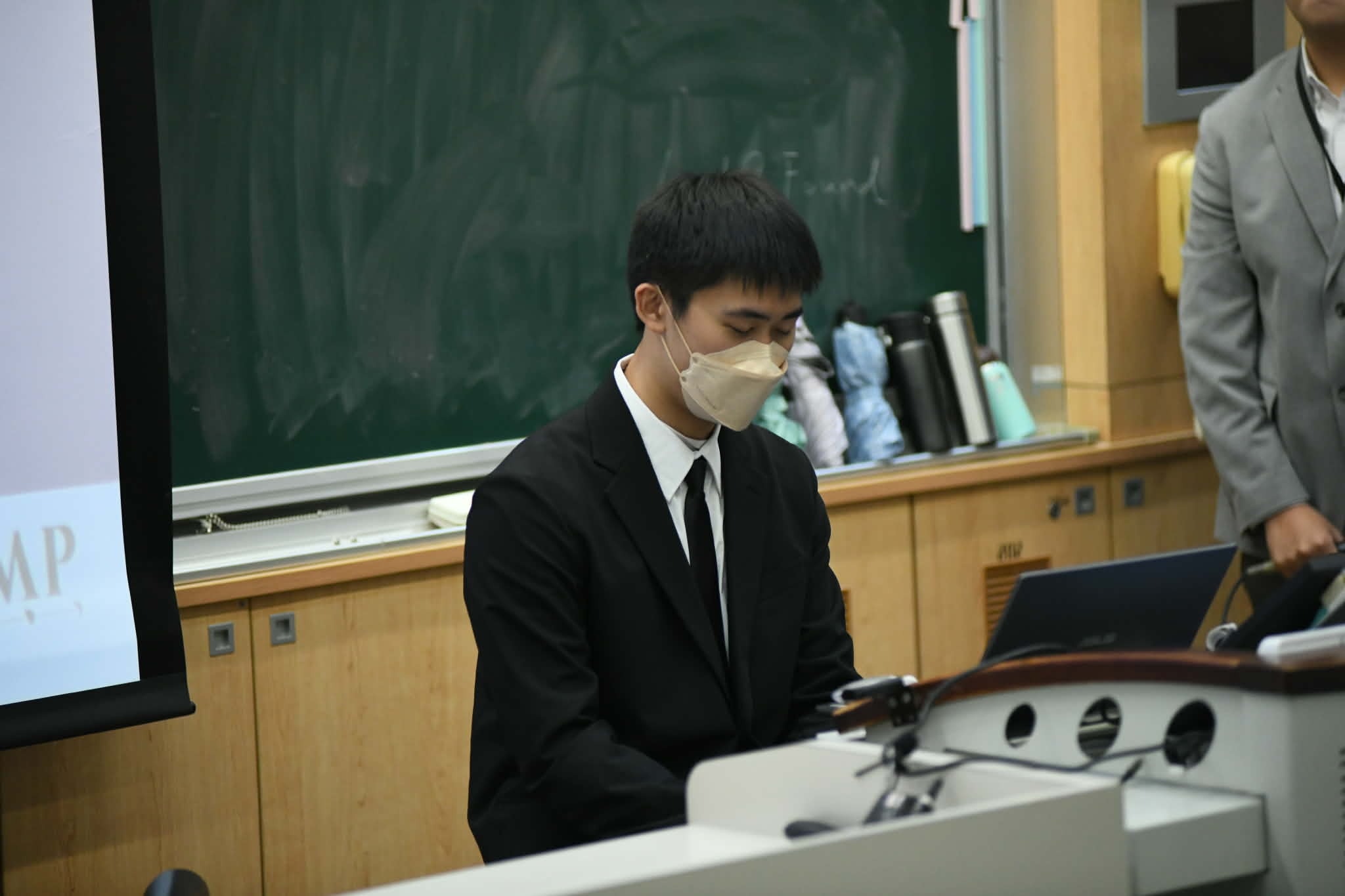




This agenda invites six young activists and advocates dedicated to promoting the Hakka language to speak and share their practical experiences and insights from various fields.
The speakers will discuss their personal journeys in learning Hakka and their involvement in language promotion. They'll explain how they began engaging with and learning the language, as well as how they have continued to use and deepen their language skills at different stages. Additionally, the speakers will describe how they integrate Hakka into daily life, social interactions, and cultural activities to help more people gradually engage with and understand Hakka culture. They will also share the challenges they have encountered and the strategies they have used in the promotion process.
Acting on the Future of Hakka Language
This workshop will explore the challenges and potential development of the Hakka language in contemporary society from various perspectives, including education, learning tools, the cultural industry, ethnic identity, and public participation. Six speakers will guide attendees in discussions that consider how Hakka can become a part of everyday life rather than just being preserved. Participants will consider these issues from the angles of systems, technology, culture, and community.
The workshop will be conducted in a small group discussion format. After the event begins, participants will be divided into groups based on themes. These groups will discuss topics such as "Education Systems and Language Revitalization," "Self-Learning Resources and Learning Tools," "Local Language Industries," "Cultural and Ethnic Identity," and "Public Participation and Civic Engagement." Each group will have a facilitator to guide the discussions and help compile key observations, concerns, and potential courses of action.
Fonts as Cultural Infrastructure: Building the Digital Future of Taiwanese Languages with Open Source Character Sets

In the digital age, fonts are like the pen of our time. However, the diverse native languages of Taiwan often struggle with inadequate digital support, making it difficult to display them correctly. This creates significant challenges for everyday use and cultural promotion.
Font designers need to decide which characters to create based on a "character set." The old Big5 standard includes over ten thousand characters, making it difficult to complete, yet still lacks some characters used in daily life and local languages.
As a team dedicated to font design and educational promotion, justfont has launched an open-source project called "jf7000 Essentials Character Set" based on our experience. This project identifies around seven thousand core commonly used characters and organizes expansion packs like "Local Language Pack" and "Naming Pack" for flexible selection. This approach significantly reduces production time while ensuring fonts more accurately support actual usage needs.
After releasing the character set, we not only collaborated with communities to introduce multiple professional domain expansion packs (such as for chemistry, ecology, and cheering) but also encouraged designers to create open-source and commercial fonts based on this standard. This effort gradually shapes the contemporary typography landscape.
In this session, we will discuss the role of fonts in local language issues, the story behind character set development, and our latest plans to expand public participation.
Localization of MediaWiki and the Effort to Help National Language of Taiwan
MediaWIki is the backbone of varies Wikimedia ecosystem, for example, Wikipedia, Wikidata, and other third-parties outside of WIkimedia. There are many strings in the whole cause by its long developed and implemented history. and need a dedicated team to handle its localization, which should be treated as a critical infrastructure. Despite big languages, any language with ISO 639-3 code can be included. One of the national languages of Taiwan Taiwanese Taigi can be included too, and it is possible to split additional codes by community proposal process, to split in nan-hant, nan-hans, nan-latn-pehoeji, nan-latn-tailo made possible. And now we can write Taigi han characterics or Pehoeji. Let me tell the story about UI translation of Mediawiki and how it will help Taiwan National Languages.
Invite Yourself to the Hakka Parlor
The event agenda is centered around the concept of "Turning the Tables," using interactive questioning to directly address common stereotypes and misconceptions about Hakka culture. By "laying out the questions," the aim is to provide an opportunity to examine, deconstruct, and re-understand the longstanding stereotypes about the Hakka in society, fostering more open dialogue and understanding among participants from different cultural backgrounds. Through a 30-minute session of intense and genuine Q&A, the audience will be guided by six Hakka language preservation activists to see a more multidimensional view of Hakka culture, engaging them in both laughter and thoughtful reflection.
Sustainability in Civic Action: When Contribution Meets Structural Friction
Civic engagement often celebrates courage, yet it overlooks the underlying "wear and tear mechanisms." Burnout is typically attributed to a lack of personal resilience, but research suggests it is actually a political action against "structural stress." Without mechanisms for sustainable support, burnout becomes the greatest threat to the longevity of movements. This agenda will analyze the sustainability of civic action through the following three levels:
-
In-depth Analysis of Burnout Structures: Burnout is not just the accumulation of stress; it is also a product of the neoliberal culture of "productivity above all." We need to re-examine the issue of health being overly individualized and dismantle the collective sense of helplessness experienced by activists operating in "high-risk, low-reward" environments.
-
Exploration of Regenerative Culture: Sustainability should shift from individual stress relief to "community care." Viewing mental and physical well-being as a collective public responsibility can help prevent psychological burdens from overwhelming specific groups through clear boundaries.
-
Data-driven Rational Maintenance: Beyond emotional connections, rational tools should be used to reduce wear and tear. This includes using "maintenance reports" to identify inefficient labor, planning "downtime" through feedback, and optimizing collaboration processes to maximize the impact of limited energy.
Co-Creating “Open Dependencies”: A Civic Tech Approach to “防窮” (Poverty Prevention) in Japan


We are often taught that “independence” is the ideal human condition. Yet this belief can become a myth that produces suffering. In reality, no one lives independently: we rely on families, workplaces, communities, public institutions, and increasingly, digital systems. Drawing on a concept from Japanese social science, this session reframes independence not as the absence of dependency, but as the presence of “Open Dependencies”—relationships that offer multiple, high-quality options, along with real agency to exit, switch, or voice concerns.Digital platforms are not neutral tools but active participants in shaping dependency and agency, which makes civic co-creation essential rather than optional.This session introduces the work of proj-inclusive, a Japanese civic tech group active since 2021. Emerging from Code for Japan hackathons, we now collaborate with the Institute for Poverty Prevention, local governments, practitioners, and researchers. Together, we are building a “social infrastructure of freedom”: tools, practices, and institutional arrangements that make dependencies visible, negotiable, and reversible.Our concrete focus is “防窮” (Poverty Prevention)—a proactive approach that expands people’s choices before crises such as illness, debt, or job loss turn vulnerability into irreversible hardship. Rather than responding only after people fall into poverty, 防窮 emphasizes early intervention, shared support, and civic co-creation.By sharing Japan’s experiments in governing dependency through civic tech, we hope to exchange insights with our Taiwanese colleagues and contribute, even modestly, to collective efforts addressing inequality, poverty, and social precarity.
Between Surveillance and Forgery: Establishing a Digital Identity Based on "Contextual Integrity × User Control"
In today's society, we need more digital trust, but the mainstream approach still leans towards exposing personal data and monitoring user activity. Many identity verification standards and data governance regulations are being relaxed, shifting the risks and responsibilities onto users through "bundled consent." This approach makes digital infrastructure increasingly dependent on private sector systems that cannot be independently audited.
The root of these issues lies in outdated identity and privacy standards that fail to clearly define who controls data and permissions, as well as who is responsible. Even though various countries are promoting digital wallets and Self-Sovereign Identity (SSI), they focus on "user autonomy" without addressing the personalization of risk and power imbalances.
We advocate for a digital rights and identity verification framework that emphasizes "user-controlled processes" and "context-specific information and permissions." By incorporating contextual integrity, risk classification, and revocation mechanisms, we can establish an auditable chain of trust that supports a more equitable digital environment.
OpenStarTer Village: Promoting Open Technology Education on Campus, with a Behind-the-Scenes Award Submission Story

Over the past two years, we have developed OpenStarTer Village from a board game into a complete teaching package consisting of six course modules. Through public courses, we have introduced it to learners across different age groups and educational stages, including junior colleges, high schools, universities, and graduate schools. In collaboration with teachers from National Taiwan Normal University, the modules were further refined into a structured educational design that includes classroom interaction, worksheets, and reflection activities. This teaching package was also recognized with the CommonWealth Parenting Education 100 Award. In this session, we will share the practical details behind the development of the curriculum and its introduction into real school settings. We will also reflect on how concepts such as civic tech, open data, and open government were translated and adjusted when entering formal education. What needed to be changed? What language helped teachers, students, and even award reviewers understand the educational value of civic tech and openness? This talk will share the journey from board game to curriculum, and even to an award submission, as a practical case for other communities interested in turning open knowledge into accessible public education.
From the 23.57 Million Personal Data Breach to the ID Number Change Lawsuit: Will the Ministry of the Interior Allow People to Protect Their Privacy?
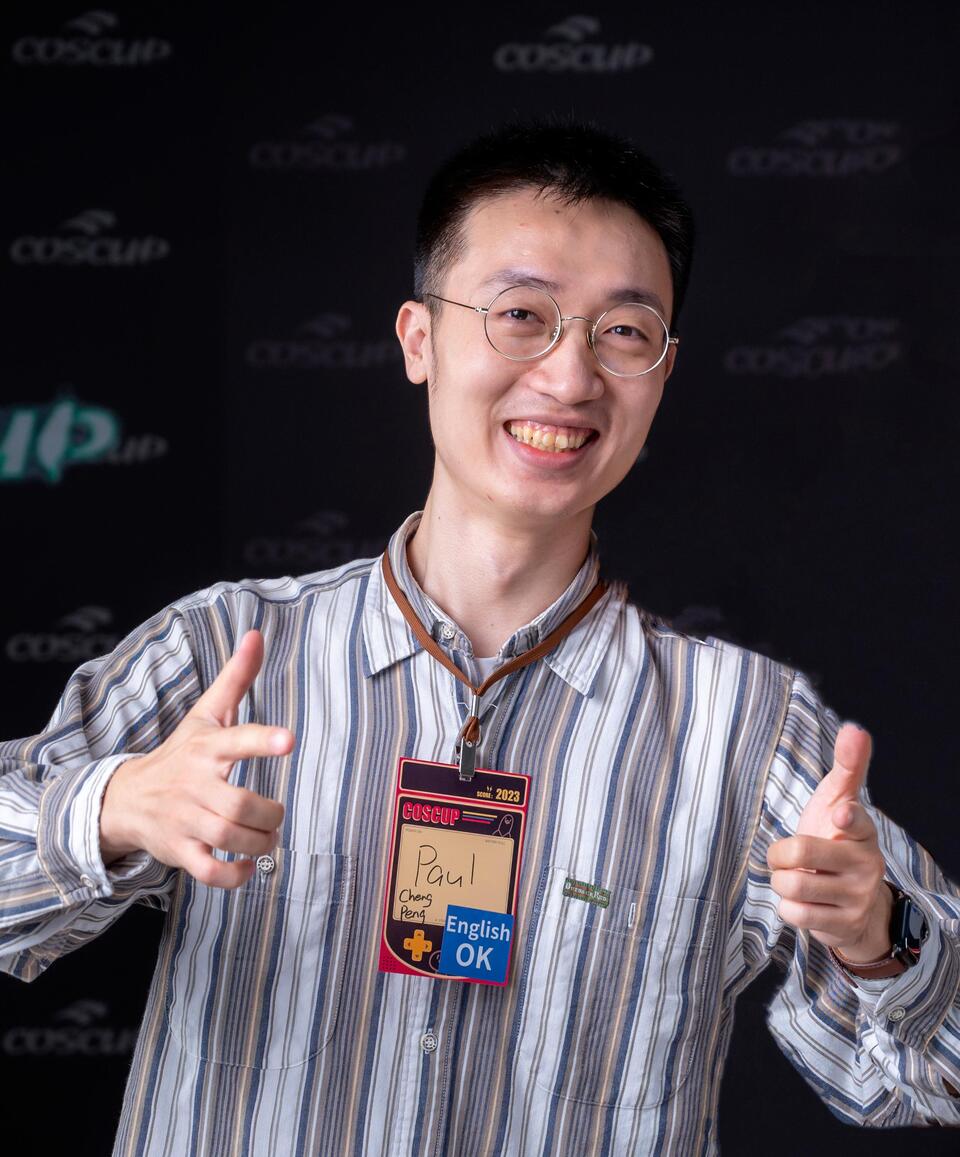
In 2022, the household registration data of 23.57 million people in Taiwan was leaked and sold on hacker forums, marking the largest data breach in the country's history. On January 15, 2025, the Taipei High Administrative Court issued a landmark ruling, for the first time allowing a citizen to change their national ID number due to the privacy risks associated with the data breach, overturning the Ministry of the Interior's long-standing refusal based on administrative interpretations. This session will use this case to examine structural issues in Taiwan's digital identity protection: why does the government allow ID changes for religious reasons but not for state-managed data leaks? As ID numbers become tools for fraud, why do administrative agencies prioritize convenience over the right to privacy?
Squad Up with the Government for the Next Boss Fight

In this session, Isabel Hou, Deputy Minister of the Ministry of Digital Affairs, will share her personal journey from the g0v community to joining the public sector.
Keynote Panel: Between the Organized and the Unorganized

In this follow-up to the keynote, Deputy Minister Isabel Hou and g0v community members will examine the limitations and possibilities across institutional boundaries.
When disaster strikes, passion becomes the starting point for rescue efforts. However, once on the scene, how do we navigate the chaotic emotions and shattered reality?
In this discussion, we'll draw on practical experiences from disaster recovery to explore the subtle psychological dynamics between volunteers and disaster survivors. We'll also delve into the challenges faced when enthusiasm alone isn't enough to provide help.
While times may create heroes, the best era is one without the need for heroes.
"When Passion Meets Reality" addresses personal psychological projections and the gaps left by systemic failures. We warmly invite everyone interested in civic engagement to join us as we seek the most professional compassion through the trials of reality.
Opening
Welcome to g0v Summit 2026! We’ll go through all the information you need for a delightful conference.
Evening Reception
Not ready to call it a day just yet? Come hang out at our evening reception! It’s the perfect chance to refuel and catch up with the speakers, the volunteers, and the rest of the community.
Opening
Welcome to g0v Summit 2026! We’ll go through all the information you need for a delightful conference.
Squad Up with the Government for the Next Boss Fight
In this session, Isabel Hou, Deputy Minister of the Ministry of Digital Affairs, will share her personal journey from the g0v community to joining the public sector.
Keynote Panel: Between the Organized and the Unorganized
In this follow-up to the keynote, Deputy Minister Isabel Hou and g0v community members will examine the limitations and possibilities across institutional boundaries.
How Do Misinformation and Environmental Assessments Impact Energy Transitions from a Civic Engagement Perspective?
The forum, centered on "How Misinformation and Environmental Assessment Impact Energy Transition," will explore how energy policies are influenced by the information environment and institutional design during their implementation. It will also examine how these factors affect Taiwan's energy security and social resilience. The session will focus on:
- The communication challenges in energy policy planning and environmental assessment.
- The impact of misinformation on energy-related issues.
This forum will combine fact-checking, research observations, and frontline experiences in environmental advocacy to analyze how misinformation related to energy and environmental assessments is created, interpreted, and spread. Additionally, it will delve into the role that civic groups play in this context.
-
Co-Creating “Open Dependencies”: A Civic Tech Approach to “防窮” (Poverty Prevention) in Japan
We are often taught that “independence” is the ideal human condition. Yet this belief can become a myth that produces suffering. In reality, no one lives independently: we rely on families, workplaces, communities, public institutions, and increasingly, digital systems. Drawing on a concept from Japanese social science, this session reframes independence not as the absence of dependency, but as the presence of “Open Dependencies”—relationships that offer multiple, high-quality options, along with real agency to exit, switch, or voice concerns.Digital platforms are not neutral tools but active participants in shaping dependency and agency, which makes civic co-creation essential rather than optional.This session introduces the work of proj-inclusive, a Japanese civic tech group active since 2021. Emerging from Code for Japan hackathons, we now collaborate with the Institute for Poverty Prevention, local governments, practitioners, and researchers. Together, we are building a “social infrastructure of freedom”: tools, practices, and institutional arrangements that make dependencies visible, negotiable, and reversible.Our concrete focus is “防窮” (Poverty Prevention)—a proactive approach that expands people’s choices before crises such as illness, debt, or job loss turn vulnerability into irreversible hardship. Rather than responding only after people fall into poverty, 防窮 emphasizes early intervention, shared support, and civic co-creation.By sharing Japan’s experiments in governing dependency through civic tech, we hope to exchange insights with our Taiwanese colleagues and contribute, even modestly, to collective efforts addressing inequality, poverty, and social precarity.
Between Surveillance and Forgery: Establishing a Digital Identity Based on "Contextual Integrity × User Control"
In today's society, we need more digital trust, but the mainstream approach still leans towards exposing personal data and monitoring user activity. Many identity verification standards and data governance regulations are being relaxed, shifting the risks and responsibilities onto users through "bundled consent." This approach makes digital infrastructure increasingly dependent on private sector systems that cannot be independently audited.
The root of these issues lies in outdated identity and privacy standards that fail to clearly define who controls data and permissions, as well as who is responsible. Even though various countries are promoting digital wallets and Self-Sovereign Identity (SSI), they focus on "user autonomy" without addressing the personalization of risk and power imbalances.
We advocate for a digital rights and identity verification framework that emphasizes "user-controlled processes" and "context-specific information and permissions." By incorporating contextual integrity, risk classification, and revocation mechanisms, we can establish an auditable chain of trust that supports a more equitable digital environment.
Can Web3 Truly Implement Decentralized Autonomy? Successes and Failures of a Four-Year DAO Experiment
When we talk about web3, many people immediately think of the complex world of blockchain and the speculative nature of cryptocurrencies, as if these are just buzzwords meant to grab attention. However, both internationally and locally in Taiwan, there are numerous examples of communities experimenting with web3 tools, especially in the realm of digital governance.
FAB DAO, a nonprofit decentralized autonomous organization in Taiwan, plans to draw from the work experiences of various action groups over a four-year period to share our experiences in advancing web3. This includes decentralized publishing, reputation records, community consensus, grant programs, international collaboration, and financial flow management.
We aim to openly share our successful, unsuccessful, and debatable experiences, turning them into fertile ground for community autonomy.
Sustainability in Civic Action: When Contribution Meets Structural Friction
Civic engagement often celebrates courage, yet it overlooks the underlying "wear and tear mechanisms." Burnout is typically attributed to a lack of personal resilience, but research suggests it is actually a political action against "structural stress." Without mechanisms for sustainable support, burnout becomes the greatest threat to the longevity of movements. This agenda will analyze the sustainability of civic action through the following three levels:
-
In-depth Analysis of Burnout Structures: Burnout is not just the accumulation of stress; it is also a product of the neoliberal culture of "productivity above all." We need to re-examine the issue of health being overly individualized and dismantle the collective sense of helplessness experienced by activists operating in "high-risk, low-reward" environments.
-
Exploration of Regenerative Culture: Sustainability should shift from individual stress relief to "community care." Viewing mental and physical well-being as a collective public responsibility can help prevent psychological burdens from overwhelming specific groups through clear boundaries.
-
Data-driven Rational Maintenance: Beyond emotional connections, rational tools should be used to reduce wear and tear. This includes using "maintenance reports" to identify inefficient labor, planning "downtime" through feedback, and optimizing collaboration processes to maximize the impact of limited energy.
OpenStarTer Village: Promoting Open Technology Education on Campus, with a Behind-the-Scenes Award Submission Story
Over the past two years, we have developed OpenStarTer Village from a board game into a complete teaching package consisting of six course modules. Through public courses, we have introduced it to learners across different age groups and educational stages, including junior colleges, high schools, universities, and graduate schools. In collaboration with teachers from National Taiwan Normal University, the modules were further refined into a structured educational design that includes classroom interaction, worksheets, and reflection activities. This teaching package was also recognized with the CommonWealth Parenting Education 100 Award. In this session, we will share the practical details behind the development of the curriculum and its introduction into real school settings. We will also reflect on how concepts such as civic tech, open data, and open government were translated and adjusted when entering formal education. What needed to be changed? What language helped teachers, students, and even award reviewers understand the educational value of civic tech and openness? This talk will share the journey from board game to curriculum, and even to an award submission, as a practical case for other communities interested in turning open knowledge into accessible public education.
A Guide to Promoting and Starting Projects for the Taiwan Civic Tech Project Database
Taiwan Civic Tech Project Database Promotion and Workshop Guide
1. Data Webpage: Discover Existing Projects and Plans
The team continues to integrate project lists from the g0v community, citizen science initiatives, and various domestic civic tech projects. They have organized a list of Taiwan's civic tech projects by referencing the data labeling structure from the Civic Tech Field Guide's international project database. In this workshop, participants will be invited to provide feedback on the current data labeling structure, navigate the query webpage, and share their thoughts on the page's usability.
2. Project Guide: Supporting Project Initiation
Since 2020, the team has been hosting "Project Owner Gatherings" to collect insights on project initiation experiences, which are then compiled into the "g0v Civic Tech Project and Community Handbook." Chapter 3, "Initiating a Project," details how to start a project. They have categorized projects from the g0v School's incubation program and recommended digital strategies and tools for civic tech projects that incorporate civic rights. This workshop will have participants review the guide's current stages and attempt to initiate a project to help improve the guide's usability.
3. Operational Strategy: Issue Inventory and Discussion
Participants will be invited to discuss known issues:
- The database website content is currently compiled through ongoing volunteer efforts. A strategy for long-term operation requires manpower and resources.
- Some users may expect projects to address current issues, but existing projects may not fully meet individual needs.
- Strategies for promotion and outreach.
- Other topics as suggested by participants.
OpenRefine for All: The Powerful Tools of Cleaning Data and Maintaining Wikidata
OpenRefine is a data cleaning tools for everyone who is not programming background. Its Wikidata and Wiki commons extension, are suitable for editing and updating structural data.
This workshop will focus on fundamental operation, handling open datasets released by Taiwan government, for example, parks upload to Wikidata, and handling already imported hotels from booking websites, which lack Mandarin labels and descriptions.
How Civic Tech Engages with Local Governance
In the past, the application of civic technology was often imagined in the realm of central government. However, can local governments and community organizations also use civic technology to practice the principles of open government—particularly in terms of openness, transparency, and accountability? In this session, Tainan New Sprout board members Zhe-Wei Lin, Zhan-Wei Wu, and Wan-Ling Yan will explain to participants the applications they have implemented in city governance oversight and collaboration over the past ten years, the outcomes achieved, and the opportunities and challenges faced by local civic technology applications. Additionally, Mei-Jun Li, an assistant researcher at the Institute of Ethnology, Academia Sinica, will provide observations from the perspective of a civic technology community researcher.
From the 23.57 Million Personal Data Breach to the ID Number Change Lawsuit: Will the Ministry of the Interior Allow People to Protect Their Privacy?
In 2022, the household registration data of 23.57 million people in Taiwan was leaked and sold on hacker forums, marking the largest data breach in the country's history. On January 15, 2025, the Taipei High Administrative Court issued a landmark ruling, for the first time allowing a citizen to change their national ID number due to the privacy risks associated with the data breach, overturning the Ministry of the Interior's long-standing refusal based on administrative interpretations. This session will use this case to examine structural issues in Taiwan's digital identity protection: why does the government allow ID changes for religious reasons but not for state-managed data leaks? As ID numbers become tools for fraud, why do administrative agencies prioritize convenience over the right to privacy?
Taiwan’s Defense Technology Supply Chain
This session will feature Cathy, a DSET policy analyst and member of the Observatory, in a live podcast format. She will discuss strategic cooperation among Taiwan, the United States, and Europe on “non-red supply chains,” and explore how Taiwan can build independent and trusted global defense technology amid rising national security concerns and the AI wave.
The Journey of “Guangfu Superheroes”: Why Every Disaster Relief Effort Feels Like the First Time
Through numerous disaster experiences and firsthand interviews, I've come to realize that the most challenging aspect of disaster relief is often not a lack of technology or manpower, but the inability to pass on experience. Public officials rotate, roles change, and disasters are infrequent yet highly improvisational events, making critical decisions reliant on personal memory and on-the-spot reactions. When people leave the scene, their experience leaves with them, and the next disaster response often feels like starting from scratch.
In this discussion, I'll draw from the practical experiences of the "Guangfu Superheroes" and interviews with a few individuals who have been on the front lines of disaster assistance. We'll explore recurring but often overlooked moments of breakdown during disaster relief, such as incomplete information handovers, unclear role responsibilities, and the ineffective retention of post-disaster experiences.
I'm not aiming to offer a complete solution, but rather to engage in a dialogue from a design and systems thinking perspective. How can we acknowledge that "people move on, systems forget," and explore whether technology can capture experiences that currently reside only in individual minds? How should we design systems to ensure they remain helpful to those who take over amidst chaos?
How Does a Bottom-Up AI Ecosystem Take Shape?
As AI rapidly becomes integrated into work, learning, and public governance, the real issue is no longer just about "whether to implement AI," but rather who can understand it, who can participate in shaping its usage, and who can influence its societal impact.
This panel discussion will feature the Digital Industry Agency of the Ministry of Digital Affairs, the largest social investor network in Asia (AVPN), Taiwan AI Academy, One-Forty, Tainan University, and the g0v Civic Tech Community. They will explore, from a "bottom-up, cross-sector collaboration" perspective, how AI empowerment can create an inclusive, sustainable ecosystem that supports the development of a democratic society.
The discussion will be divided into three major stages: First, it will explore "Ecosystem Activation," sharing the current state of AI empowerment in Asia and Taiwan, and how government and civil society can collaborate to co-create the AI ecosystem. Next, it will shift to "Defining Needs and Solutions," diving into the needs and pathways for AI literacy that mainstream systems have overlooked, focusing on migrant workers, universities, and civic tech communities. Finally, industry, government, and academia will engage in dialogue, sharing practical insights and cross-sector recommendations to collaboratively construct a complementary strategy that ensures technological transformation aligns with the resilience of democratic societies.
Protecting Freedom of Speech Online: What are We Still Missing? Discussing the Lack of Check-and-Balance Mechanisms Under Increasingly Strict Platform Regulations
In 2022, the draft amendment to the "Intermediary Act" nearly succeeded but ultimately fell short. At that time, the authorities attempted to establish a comprehensive set of regulations to address platform responsibilities, clarify government authority boundaries, and protect users' freedom of speech. However, the public expressed opposition and chose a different path: having multiple regulatory bodies legislate and control the internet and speech within their respective domains.
Today, at least 20 laws or directives include provisions for internet management or prevention, with more amendments underway. As various regulatory bodies assert control over the internet, websites face penalties or restrictions daily, platforms implement automatic speech censorship mechanisms, user-generated content is removed, and content is routinely flagged or restricted.
In this roundtable discussion, we want to brainstorm and explore: In this increasingly regulated and secure internet, who should protect freedom of speech, and how should it be done? What is missing from Taiwan's current governance framework?
The passage of the Development of National Languages Act marked a historic milestone for Taiwanse languages. In 2019, native languages—including indigenous languages, Taiwanese Hokkien, Taiwanese Hakka, and Taiwan Sign Language—are officially codified as national languages for Taiwan. Despite this legal recognition, preservation efforts face complex structural and social hurdles, including generational gaps, ethnic labeling, and resource constraints within the education system.
To address this, g0v Summit has partnered with the NTU Hakka Club to host the forum Fight On! Fellow Language Preservation Activists. By connecting g0v’s civic hackers with the experiences of young Hakka activists, we aim to explore the future of national language preservation through the lens of practical expertise and technological tools.
This session is part of the Hakka Action and Cultural Dialogue forum co-organized by the g0v Summit 2026 Working Group, the NTU Hakka Club, and the Open Culture Foundation, sponsored by Hakka Affairs Council under Executive Yuan’s National Language Comprehensive Development Program.
The Language Roots and Mission of Taiwanese Youth
Acting on the Future of Hakka Language
Fonts as Cultural Infrastructure: Building the Digital Future of Taiwanese Languages with Open Source Character Sets
Localization of MediaWiki and the Effort to Help National Language of Taiwan
Invite Yourself to the Hakka Parlor
The Language Roots and Mission of Taiwanese Youth
This agenda invites six young activists and advocates dedicated to promoting the Hakka language to speak and share their practical experiences and insights from various fields.
The speakers will discuss their personal journeys in learning Hakka and their involvement in language promotion. They'll explain how they began engaging with and learning the language, as well as how they have continued to use and deepen their language skills at different stages. Additionally, the speakers will describe how they integrate Hakka into daily life, social interactions, and cultural activities to help more people gradually engage with and understand Hakka culture. They will also share the challenges they have encountered and the strategies they have used in the promotion process.
Attack on the RPZ Website Blockade: “Due Process Designers” Wanted!
In December 2025, Taiwan experienced three significant events concerning internet freedom: the nationwide ban of Xiaohongshu for one year, and the Executive Yuan's approval of amendments to the National Security Act and the Social Order Maintenance Act. These amendments grant the government the authority to directly halt or restrict access to websites (referred to as RPZ) to address online content in emergencies.
This highlights Taiwan's lack of comprehensive platform responsibility regulations, leading to a legislative approach that blocks entire platforms under the guise of content management. Consequently, RPZ has shifted from being a last-resort enforcement tool to a frontline mechanism for handling (potentially illegal) content.
This workshop invites participants to co-create solutions on two levels:
- How should we view the trend of this legislative approach becoming mainstream? What would be a better governance direction?
- If blocking is inevitable, how can we fill the current procedural void to ensure due process? Let’s design solutions together!
Roll up your sleeves and join us in strengthening procedural justice in internet governance!
Is Crowdsourcing a “Power Star” in Disaster Areas?
The recent flood disaster has highlighted the deep-seated contradictions in Taiwan's current disaster prevention system. The rapid changes brought by disasters clash with the bureaucracy's need for accountability, leading to a structural dysfunction in the administrative system. Constrained by regulations, personal data protection, and auditing processes, the government often appears passive and inflexible during crises. However, this dysfunction creates an opportunity for civic society to step in and fill the gap.
This talk will explore, through real-world examples from the flood-stricken areas, how digital tools can assist in disaster relief. Volunteers have effectively used various digital tools to overcome legal barriers and information gaps that the public sector cannot address. This resilience and adaptability of civic engagement are not meant to replace the government but to navigate flexibly within the system's gaps.
The key insight is that possessing information does not equate to having order. The success of digital collaboration lies not in the tools themselves but in the integration and translation of "nodes." In the future, disasters should be viewed as opportunities for social reorganization and regeneration. We must consider how to use "governance empowerment" to transform the dispersed power of the crowd into organized public services, establishing a "three-dimensional disaster relief system" where government resources and civic digital efforts coexist, ensuring that goodwill reaches its destination accurately and orderly.
Public Communication in a Divided Era
In recent years, many people have grown discouraged by the challenge of “breaking out of echo chambers” and “communicating across differences,” with some even losing hope. In this session, Kexin from the Observatory will share and discuss how the role and responsibilities of independent media are changing in today’s divided era.
Acting on the Future of Hakka Language
This workshop will explore the challenges and potential development of the Hakka language in contemporary society from various perspectives, including education, learning tools, the cultural industry, ethnic identity, and public participation. Six speakers will guide attendees in discussions that consider how Hakka can become a part of everyday life rather than just being preserved. Participants will consider these issues from the angles of systems, technology, culture, and community.
The workshop will be conducted in a small group discussion format. After the event begins, participants will be divided into groups based on themes. These groups will discuss topics such as "Education Systems and Language Revitalization," "Self-Learning Resources and Learning Tools," "Local Language Industries," "Cultural and Ethnic Identity," and "Public Participation and Civic Engagement." Each group will have a facilitator to guide the discussions and help compile key observations, concerns, and potential courses of action.
When Politics Enters the Home: Exploring Possibilities and Practices in Family Communication
When discussing civic issues, the focus should be on being mindful of the emotions of those you're communicating with; the density of the argument is secondary. Practice political conversations with parents, elders, or partners using role-playing games to improve listening, persuasion, de-escalation, and boundary setting skills.
From Whistleblowing to Cleanup: A Public-Private Collaborative Ecosystem for a Pollution Case
In 2014, scholars noticed something unusual along the coast of Xinfeng, Hsinchu. By 2017, environmental groups had exposed it as the "most toxic coastline." By 2020, the pollutants had been cleaned up, and restoration efforts began. This decade-long environmental campaign is a rare example of successful collaboration among researchers, civic organizations, local representatives, legislators, the government, and businesses.
But how did this collaborative effort come about? As active participants, the Environmental Action Group of Tainan Community University conducted interviews with all key players to reconstruct the complete course of action: how citizens identified and confirmed the pollution, how local forces mobilized pressure, how central authorities navigated political challenges, and why businesses agreed to take on the cleanup.
This presentation will dissect the public-private collaboration ecosystem of the Xinfeng case, sharing actionable methods that can be replicated: how to detect anomalies, construct chains of evidence, and foster cross-sector connections to ensure real solutions to problems.
How Citizens Govern Platforms: Self-Disclosure Regarding Platform Content Moderation and Freedom of Speech
In today's world, mainstream social media platforms rely on algorithms to function effectively. These algorithms help filter out spam or illegal content and assist users in discovering content that interests them. However, excessive use of algorithms and content moderation poses a significant threat to freedom of speech.
Where do we draw the line between censorship and freedom? Who gets to decide?
It's unlikely that mainstream social media platforms will publicly disclose their algorithms. Revealing proprietary methods could significantly increase the risk of misuse by malicious users. For example, in 2025, Facebook modified its usage policy, resulting in numerous accounts being deleted for unknown reasons, leaving users without any recourse. This serves as a classic case of ineffective platform governance.
This situation highlights that "algorithm transparency" must precede effective "platform governance." Without adequate information, citizens cannot govern platforms.
Matters, as the largest Chinese-language platform resisting censorship, has been working toward "open source" and "user governance." We are now unveiling the final piece of the puzzle—opening up our "censorship algorithms" and cases of controversial content. This initiative lays the groundwork for future "platform governance" that the Taiwanese civic community will face.
In this workshop, we will first share an easy-to-understand history of censorship evolution on the Matters platform with participants. Then, we will engage in discussions about the boundaries between censorship and freedom, focusing on specific policies and subsequent actions. All outcomes from this workshop will be open-sourced.
Information Platform for Civil Force Training: Transitioning from Peacetime to Wartime
The community spirit demonstrated by the volunteers in Mataian shows the incredible power of civic engagement. However, effectively harnessing this power requires the organization of information, including understanding both the "demand" and "supply" aspects of civic efforts, and coordinating them in terms of quantity, quality, location, and timing. Currently, the Disaster Coordination Center lacks the capability for cross-regional resource allocation, which is an issue related to information systems. There are already several civilian platforms in place, such as the Disaster Response and Reporting Management System developed by the Taiwan Alliance for Disaster Relief in collaboration with Microsoft Taiwan, Tzu Chi's system, and tools like Google My Maps for sharing disaster area information. These systems cater to disaster relief needs during peacetime. However, if a transition from peacetime to wartime occurs, what will happen to these information platforms? How can civilian and governmental systems complement each other in such scenarios?
Fonts as Cultural Infrastructure: Building the Digital Future of Taiwanese Languages with Open Source Character Sets
In the digital age, fonts are like the pen of our time. However, the diverse native languages of Taiwan often struggle with inadequate digital support, making it difficult to display them correctly. This creates significant challenges for everyday use and cultural promotion.
Font designers need to decide which characters to create based on a "character set." The old Big5 standard includes over ten thousand characters, making it difficult to complete, yet still lacks some characters used in daily life and local languages.
As a team dedicated to font design and educational promotion, justfont has launched an open-source project called "jf7000 Essentials Character Set" based on our experience. This project identifies around seven thousand core commonly used characters and organizes expansion packs like "Local Language Pack" and "Naming Pack" for flexible selection. This approach significantly reduces production time while ensuring fonts more accurately support actual usage needs.
After releasing the character set, we not only collaborated with communities to introduce multiple professional domain expansion packs (such as for chemistry, ecology, and cheering) but also encouraged designers to create open-source and commercial fonts based on this standard. This effort gradually shapes the contemporary typography landscape.
In this session, we will discuss the role of fonts in local language issues, the story behind character set development, and our latest plans to expand public participation.
Zero-Base Mobilization and Information Resilience: Examining Civic Collaboration and Exit Strategies via the Guangfu Township Disaster Relief Information Map
When faced with large-scale disasters and a failing government, how can civic communities, lacking resources and official direction, utilize available tools to create an effective information network? Our team will share the real-world experiences of the "Restoration Township Disaster Relief Information Integration" map team. We are a group of citizens without formal information technology training, mobilized from scratch after the disaster as an informal organization.
Unlike common automated reporting systems, we emphasize a "low technical barrier" and "high empathy," opting for Google Maps and manually verifying information. We simulate extreme conditions faced by frontline volunteers, such as "wearing gloves with only 10 seconds of attention," to transform complex information into intuitive color blocks and icons.
In this presentation, we will discuss how the team conducted three agile iterations targeting different audiences within ten days, adapting to the changing disaster situation—from assisting affected residents to coordinating heavy machinery. Finally, we will address a lesser-discussed topic in civic technology: the "exit strategy." Our goal is to "eliminate our own existence" by actively announcing "graduation" once the disaster relief efforts conclude, returning traffic and influence to local organizations, and helping the disaster-stricken area shed its label and return to normalcy. This is a civic engagement initiative that aids disaster recovery with compassion and accessibility.
Community Connections Across Borders, Political Participation, and Unconventional Diplomatic Practices
This presentation will focus on how Taiwanese individuals in Europe and the UK continue to promote sovereignty initiatives and democratic values within public spaces. Through an in-depth conversation between Sandy Hsueh, the current president of the European Taiwan Association, and Hui-Yu "Amei" Tsai, a UK Overseas Community Affairs Council member, we will explore how overseas Taiwanese communities establish organizations and engage with local political and social contexts. Drawing on their extensive practical experience in Europe, the speakers will discuss the challenges faced by international advocacy efforts and share strategies for ensuring Taiwan's voice is heard and understood in global politics.
The discussion will delve into the strategic differences and commonalities between these two advocates: Sandy will discuss how she leverages cultural initiatives and public communication to navigate and connect with the local political networks in non-English-speaking European countries like France and Germany, and how she links overseas Taiwanese communities. On the other hand, Amei will illustrate how she integrates business acumen into diverse diplomatic practices, from organizing cheerleading squads at sports events to multinational refugee assistance, embedding political issues within compassionate humanitarian efforts. This event provides firsthand insights into how global Taiwanese citizens collaboratively build resilient transnational networks.
Localization of MediaWiki and the Effort to Help National Language of Taiwan
MediaWIki is the backbone of varies Wikimedia ecosystem, for example, Wikipedia, Wikidata, and other third-parties outside of WIkimedia. There are many strings in the whole cause by its long developed and implemented history. and need a dedicated team to handle its localization, which should be treated as a critical infrastructure. Despite big languages, any language with ISO 639-3 code can be included. One of the national languages of Taiwan Taiwanese Taigi can be included too, and it is possible to split additional codes by community proposal process, to split in nan-hant, nan-hans, nan-latn-pehoeji, nan-latn-tailo made possible. And now we can write Taigi han characterics or Pehoeji. Let me tell the story about UI translation of Mediawiki and how it will help Taiwan National Languages.
Invite Yourself to the Hakka Parlor
The event agenda is centered around the concept of "Turning the Tables," using interactive questioning to directly address common stereotypes and misconceptions about Hakka culture. By "laying out the questions," the aim is to provide an opportunity to examine, deconstruct, and re-understand the longstanding stereotypes about the Hakka in society, fostering more open dialogue and understanding among participants from different cultural backgrounds. Through a 30-minute session of intense and genuine Q&A, the audience will be guided by six Hakka language preservation activists to see a more multidimensional view of Hakka culture, engaging them in both laughter and thoughtful reflection.
When disaster strikes, passion becomes the starting point for rescue efforts. However, once on the scene, how do we navigate the chaotic emotions and shattered reality?
In this discussion, we'll draw on practical experiences from disaster recovery to explore the subtle psychological dynamics between volunteers and disaster survivors. We'll also delve into the challenges faced when enthusiasm alone isn't enough to provide help.
While times may create heroes, the best era is one without the need for heroes.
"When Passion Meets Reality" addresses personal psychological projections and the gaps left by systemic failures. We warmly invite everyone interested in civic engagement to join us as we seek the most professional compassion through the trials of reality.
Evening Reception
Not ready to call it a day just yet? Come hang out at our evening reception! It’s the perfect chance to refuel and catch up with the speakers, the volunteers, and the rest of the community.
Don’t wanna miss a session?
You may find everything you need to know about the summit on the open-source OPass app (available on iOS & Android), where you can plan your schedule ahead of time and receive notifications as they’re about to start.